Quick Read Guide
Innovative Mealtime Solutions: Partitioned Plates and Material Science
The Non-Toxic Home: Bamboo Essentials and Plant-Based Cleaning
The 2026 Parenting Shift: From Aesthetics to Authenticity
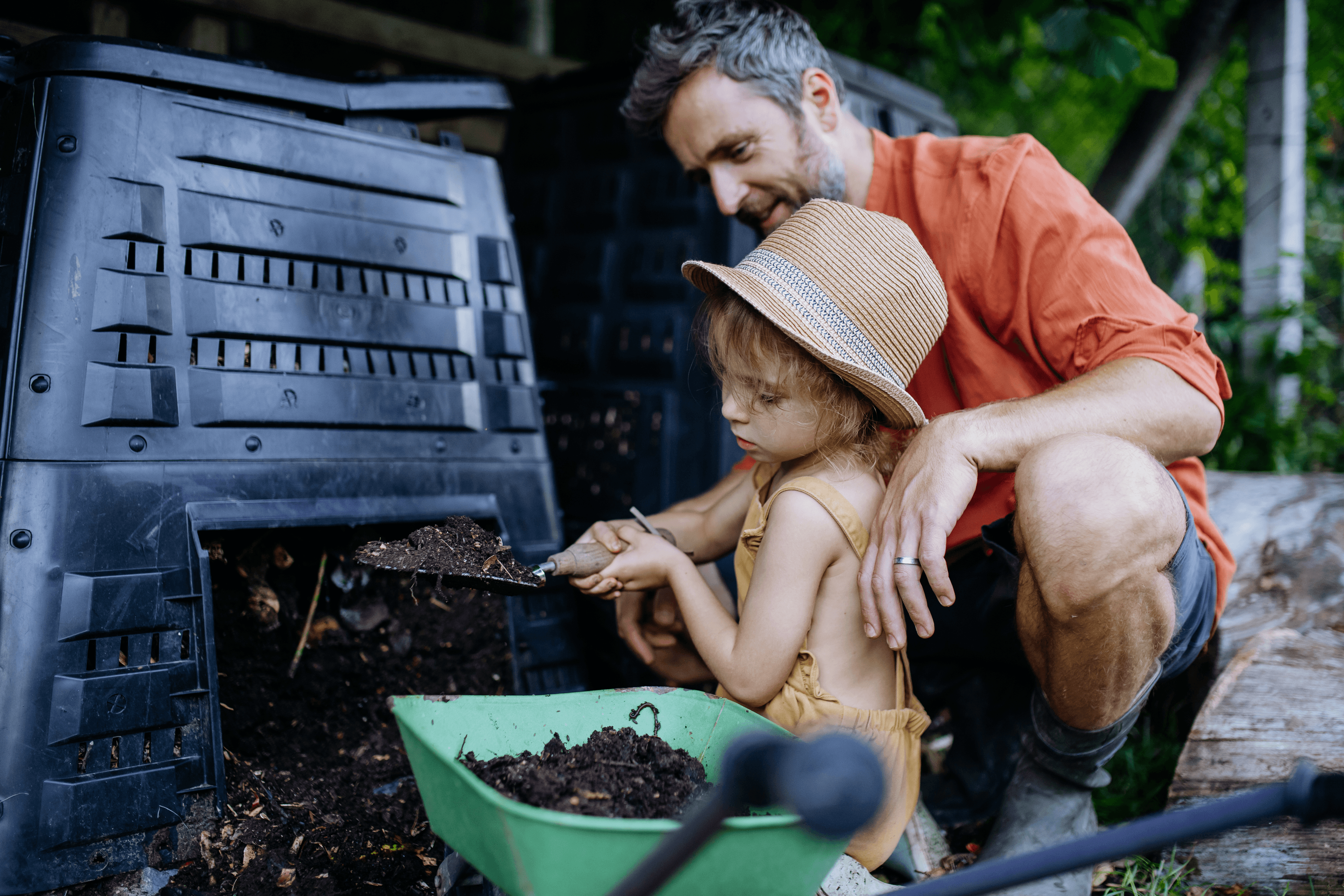
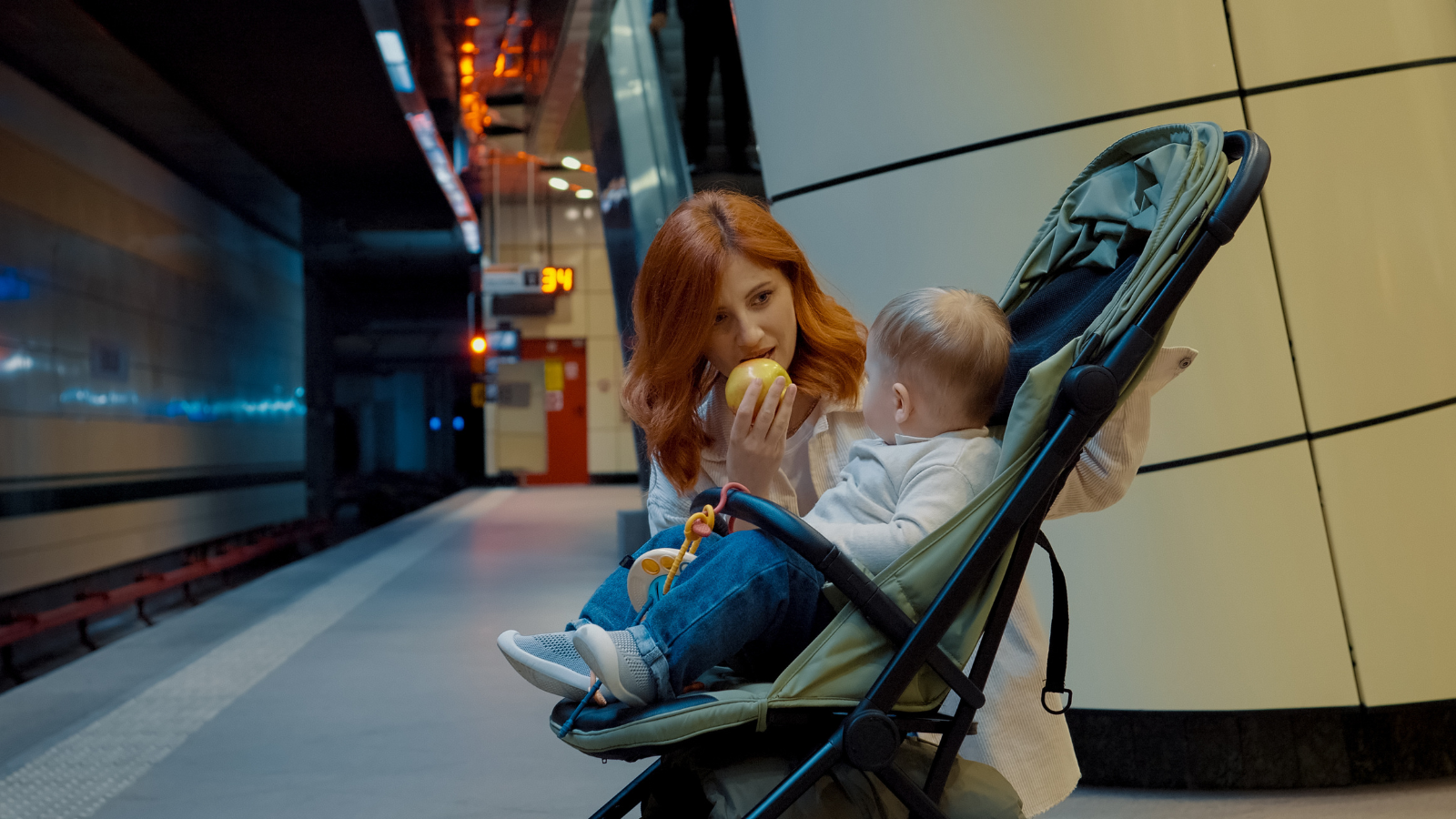
The trend of the domestic landscape in 2026 is characterized by a definitive pivot away from high-pressure, curated parenting toward a philosophy of "village energy" and "analog childhoods" Families have pretty much retired the "Instagram-perfect" nursery and overscheduled calendars in favor of simpler, budget-aware routines that prioritize mental health and environmental stewardship.
This cultural evolution comes from a heightened sense of ecological urgency, with many parents viewing the home as a dynamic "PlayHouse"—a kid-centric living space where creative resourcefulness and sustainable materials serve as primary tools for education and connection. Modern parents, particularly Millennials and Gen Z, are now 27% more likely to purchase from sustainable brands than older generations, motivated by corporate transparency and the reduction of environmental toxins.
The Role of AI in the Sustainable Household
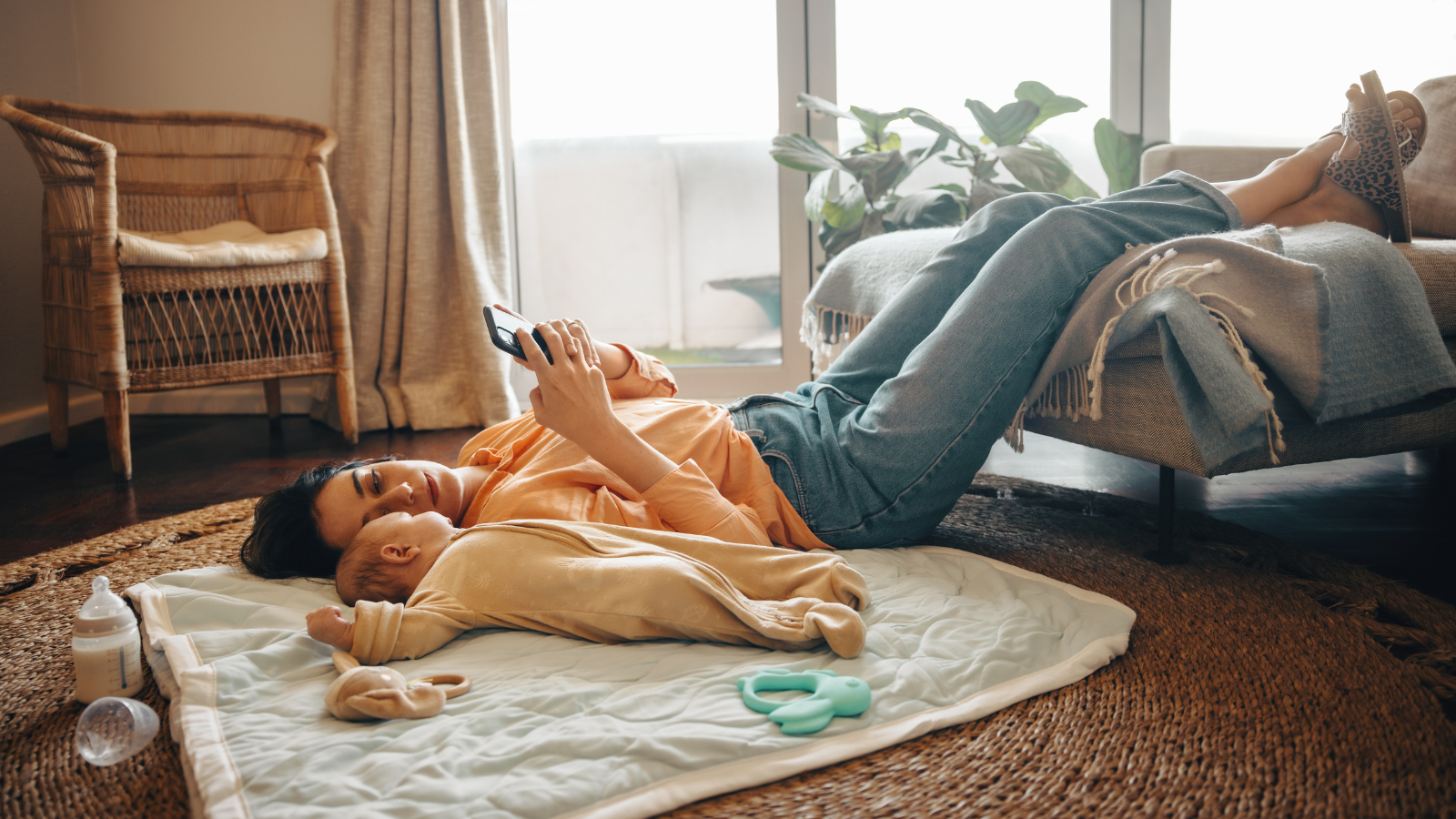
In this new era, artificial intelligence has transitioned from a novelty to an "extra brain cell" for the busy parent. AI is utilized to draft school communications, organize complex family schedules, and plan nutrient-dense, zero-waste meals. Source: Moms Who Think 2026
This technological integration allows parents to focus more on "boundaries with empathy" and "slow parenting," reclaiming time previously lost to administrative domestic tasks. For families, this means the "mental load" is lightened, allowing for more intentional choices when it comes to the products they bring into their homes.
Innovative Mealtime Solutions: Partitioned Plates and Material Science
The family dinner table is a focal point of the sustainability movement in 2026. Traditional plastic and expanded polystyrene (styrofoam) are viewed with skepticism due to their long-term environmental impact. Instead, parents are turning to heavy-duty, plant-based tableware that balances convenience with ecological integrity.
The Psychology of Partitioned Plates
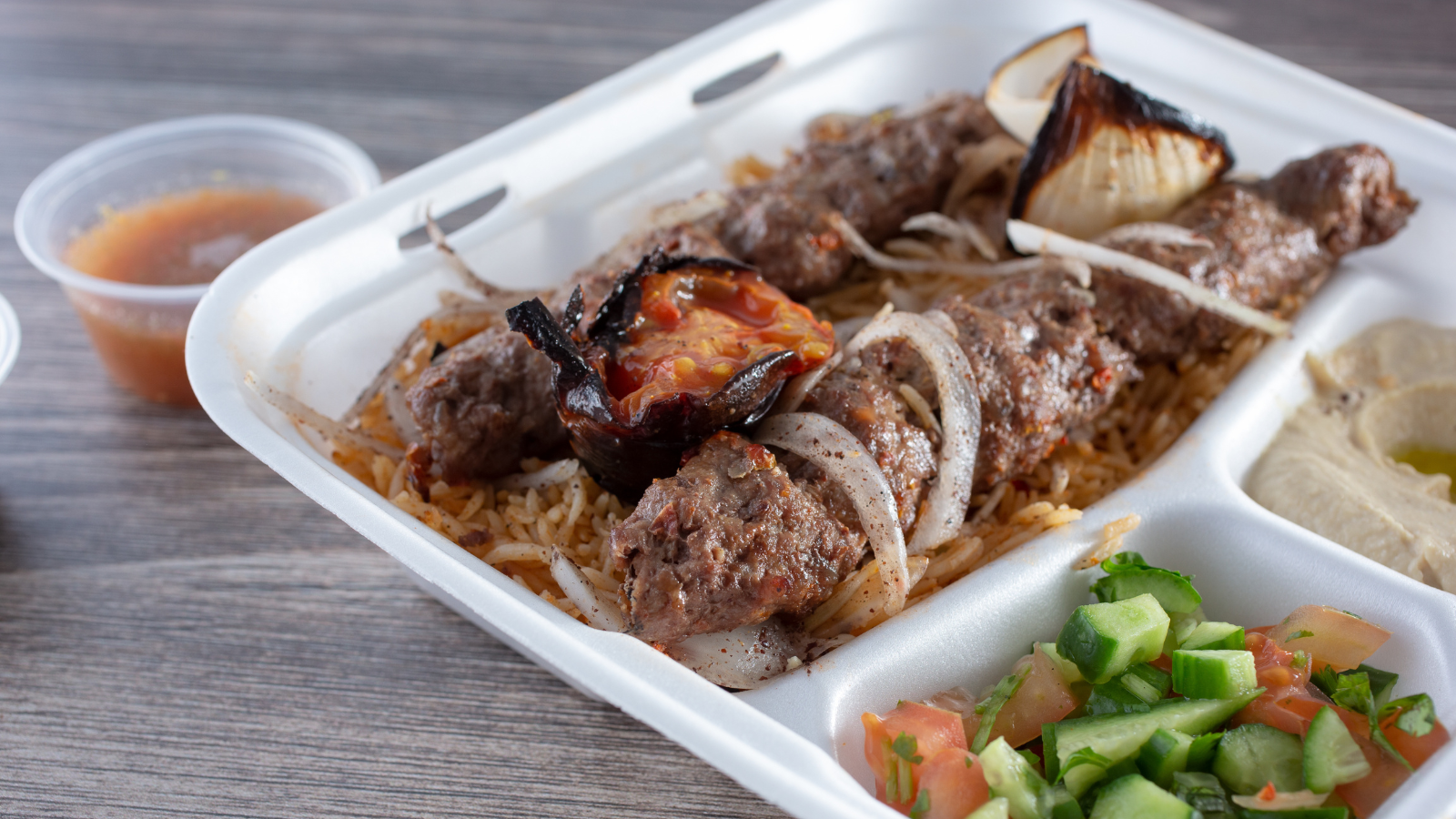
The use of 3-partition or 3-compartment plates has emerged as a science-backed solution for managing "picky eating" and sensory sensitivities in children. Research indicates that children are more likely to consume a variety of vegetables when using plates that visually organize food into distinct categories. Source: AHIMSA Children's Health
These plates act as built-in measuring cups, guiding parents to offer balanced portions of protein, vegetables, and whole grains as recommended by the USDA's "MyPlate" model. For toddlers developing fine motor skills, the high "lips" of the dividers provide a surface for children to push food against, facilitating successful self-feeding.
Material Innovation: Sugarcane Bagasse and Plant Fiber
The plates offered by Green Paper Products are crafted from unbleached plant fiber or sugarcane bagasse—a byproduct of sugar production. Unlike legacy paper plates, these materials are "soak-proof" and "heat-resistant," capable of handling heavy sauces and hot meals without collapsing.
Compostability Standards: These products meet ASTM D6400 or D6868 standards, meaning they are certified to break down within 180 days in commercial composting facilities. Source: BPI World
Safety Profile: These fiber plates are manufactured with "No Added PFAS," addressing parental concerns regarding "forever chemicals" and their impact on child health.
Physical Properties: Natural fiber plates are microwave-safe and freezer-safe, providing the versatility required for modern family meal prep.
Zero-Waste Food Storage: The School Lunch Revolution
The transition to a "litterless lunch" is a hallmark of the 2026 school year. Parents are moving away from single-use plastics and pre-packaged convenience foods in favor of sustainable storage systems that reduce both waste and exposure to microplastics.
Compostable Resealable Bags vs. Silicone
The use of compostable resealable bags provides a "bridge" for families who require the convenience of disposables without the permanent footprint of traditional plastic. These bags are made from a proprietary blend of plant-based and synthetic materials certified by the Biodegradable Products Institute (BPI).
For long-term preservation and high-frequency use, parents also prioritize silicone reusable bags and beeswax wraps. Silicone is dishwasher-safe and non-toxic, making it a preferred choice for nursery settings.
Sustainable Hydration: Hot and Cold Cup Systems
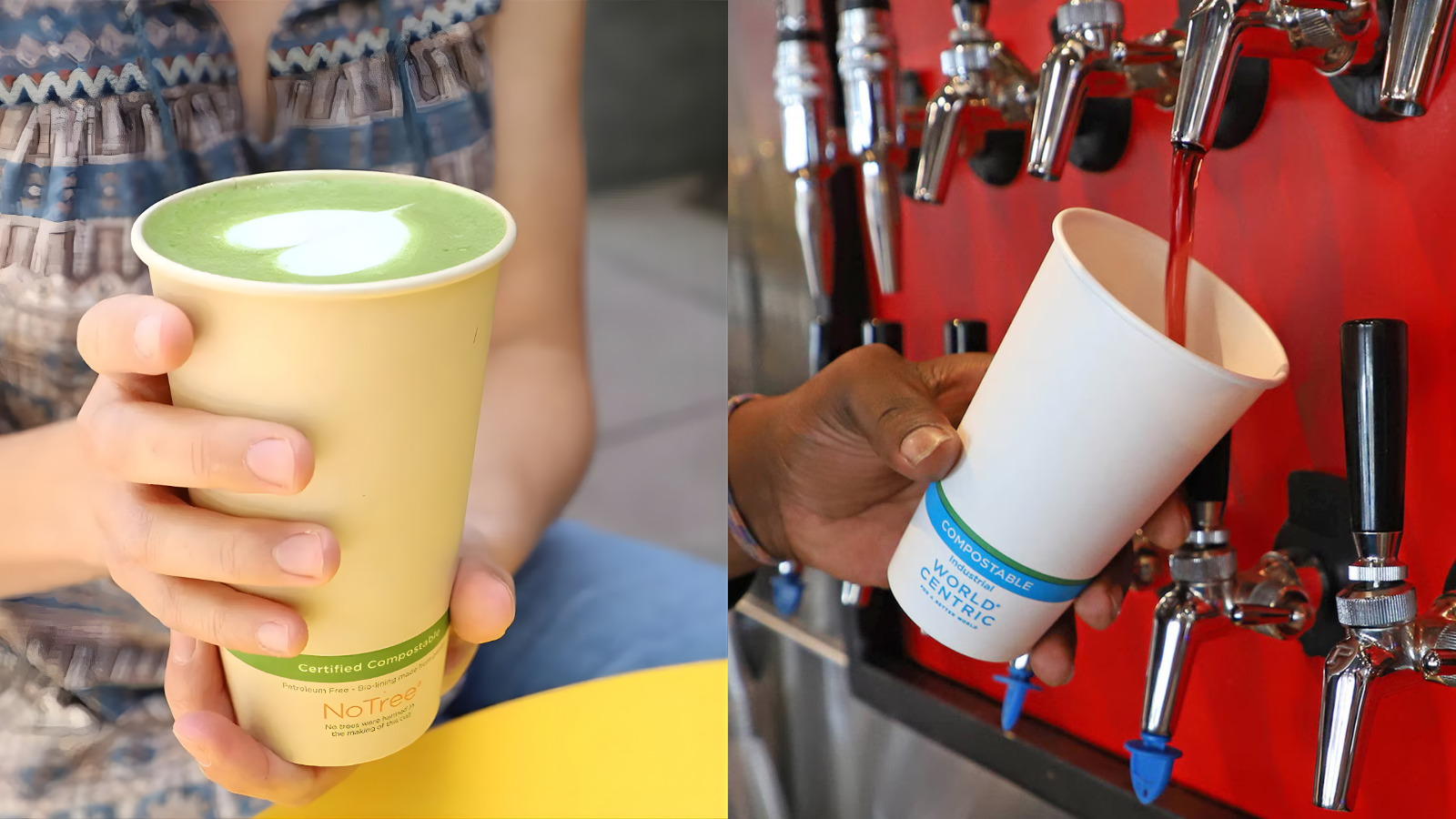
Hydration in 2026 has shifted away from single-use PET bottles toward sophisticated, plant-based cup systems. The material of choice for clear cold cups is Polylactic Acid (PLA), a bioplastic derived from annually renewable resources such as corn starch. Source: Ancheng 2026 Trends
The 2026 Straw Market
Reflecting regulatory bans on traditional plastic, the 2026 straw market is diverse:
Home Compostable Straws: Made from agave or PHA, these are tested to be able to break down in backyard compost systems.
PLA Straws: Industrially compostable and heat-resistant.
Bamboo and Paper Straws: Highly renewable fiber options for family gatherings.
The Non-Toxic Home: Bamboo Essentials and Plant-Based Cleaning
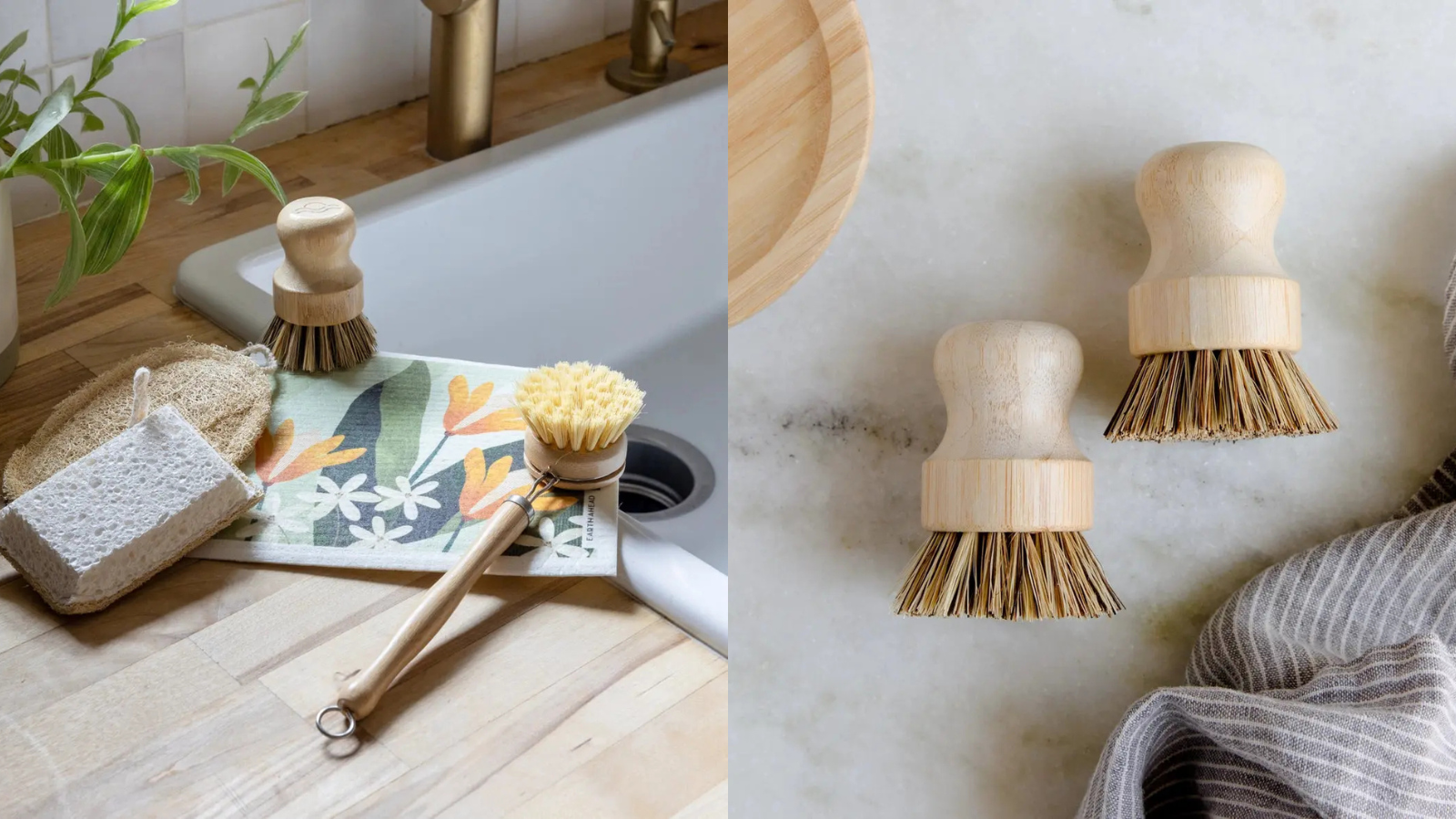
The "Non-Toxic Living" movement has transformed the bathroom and laundry room into zones of sustainability. Parents now prioritize cleaning products with short, understandable ingredient lists.
Tree-Free Paper Products: Families are swapping virgin-wood pulp for bamboo and recycled fiber. Bamboo is a fast-growing, renewable resource that regenerates without the use of pesticides.
Refillable Systems: Utilizing a "refill-not-landfill" model (like concentrated tablets) reduces the carbon footprint associated with transporting heavy, water-filled bottles.
Market Trends: The Economics of the Circular Economy
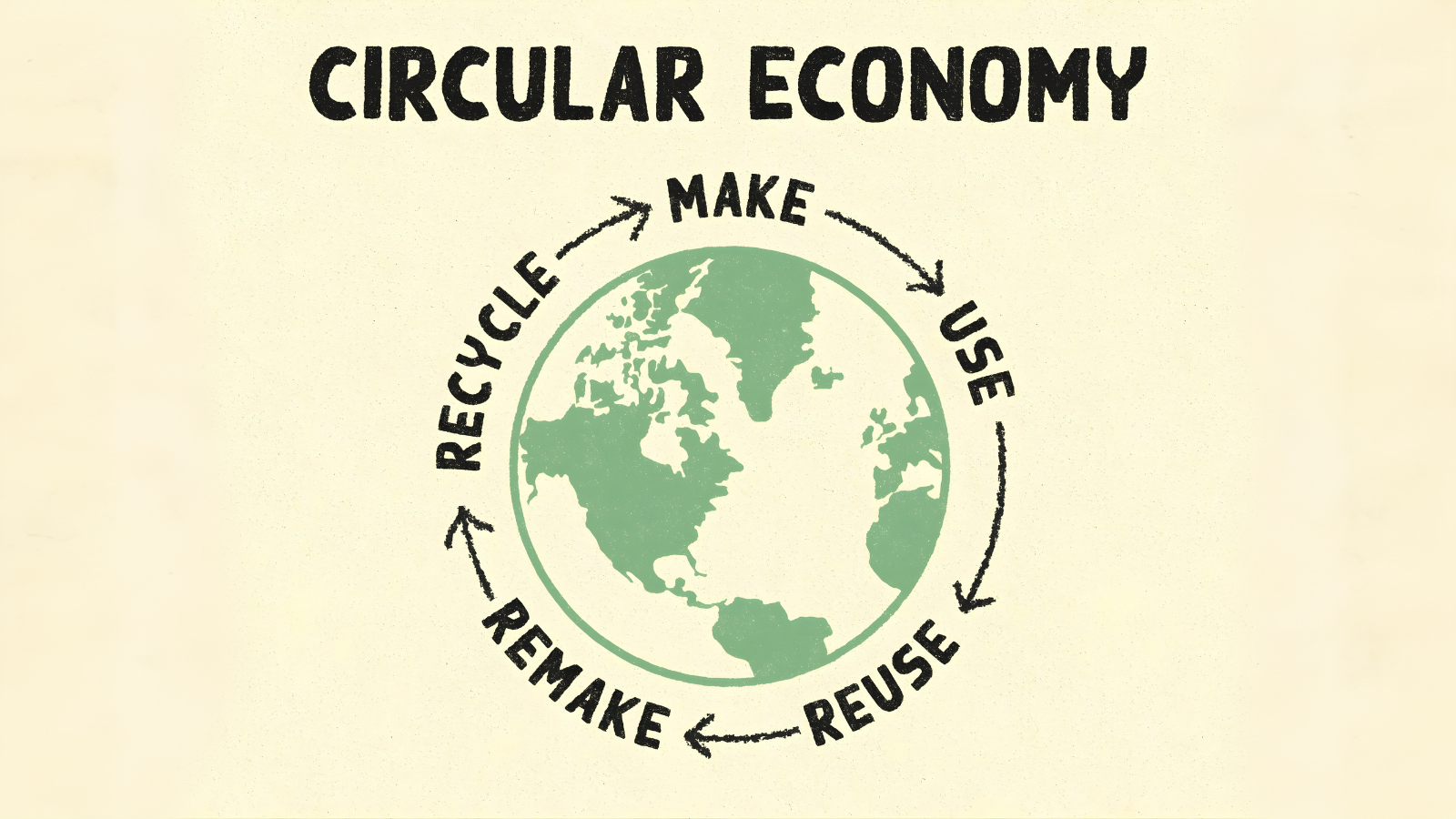
We are witnessing a landmark year for the circular economy, with the compostable tableware market reaching $18.59 billion at a growth rate of 6.28% (Source: Fortune Business Insights). While these figures reflect global industrial shifts, the real movement is happening at the kitchen table. For the modern parent, the "green premium" is fading as the focus moves toward long-term household solvency and zero-waste durability.
The 2026 economy has pushed families to look beyond the initial price tag of children’s dinnerware and storage. In previous years, parents often fell into a subscription trap of constantly replacing thin plastic containers or buying endless packs of disposable snack bags. Today, the value proposition has flipped. Sustainable swaps like medical-grade silicone or FSC-certified bamboo are no longer viewed as luxury items; they are seen as strategic, one-time investments. These materials are built to survive the high-impact environment of a toddler’s high chair or a teenager’s backpack, effectively removing "replacement costs" from the monthly family budget.
Beyond the durability of the products themselves, there is a secondary economic benefit in waste diversion. As more municipalities in 2026 implement weight-based trash collection fees or "pay-as-you-throw" systems, families are the ones feeling the most pressure. By switching to items that can be safely composted or that never enter the waste stream at all, parents are successfully de-risking their household expenses against rising municipal utility costs. In this light, the circular economy isn't just a market trend—it is a practical survival strategy for the family budget, teaching the next generation that quality and longevity are the truest forms of savings.
Conclusion: Building a Resilient Future
The "Sustainable Parenthood Paradigm" of 2026 is a response to both environmental necessity and a cultural desire for simplicity. By integrating compostable tableware, non-toxic cleaning systems, and renewable paper goods into the home, parents are doing more than just reducing their carbon footprint—they are teaching their children the value of a "circular" life.
Sources:
Fortune Business Insights:
https://www.fortunebusinessinsights.com/biodegradable-tableware-market-107282