Key Takeaways
Compostable products begin with renewable resources: These products are made from materials such as sugarcane fiber, bamboo, and plant-based bioplastics which reduce reliance on fossil fuels.
Modern compostable packaging is designed for performance: Beyond being green and better for the environment, these products still offer durability, heat resistance, and leak protection for a wide variety of foodservice applications.
Proper disposal is (always) essential: When sent to certified commercial composting facilities, these products can break down into nutrient-rich compost instead of lingering in landfills.
Every packaging decision is important: Daily choices help businesses reduce waste, meet sustainability goals, and appeal to environmentally conscious customers.
A Day in the Life of a Compostable Product: From Plant to Compost
Most disposable food packaging follows a familiar, well-known path; it's manufactured, used once, and then (unfortunately) discarded without another thought. Much of this packaging then ends up in landfills, where it can take decades to break down.
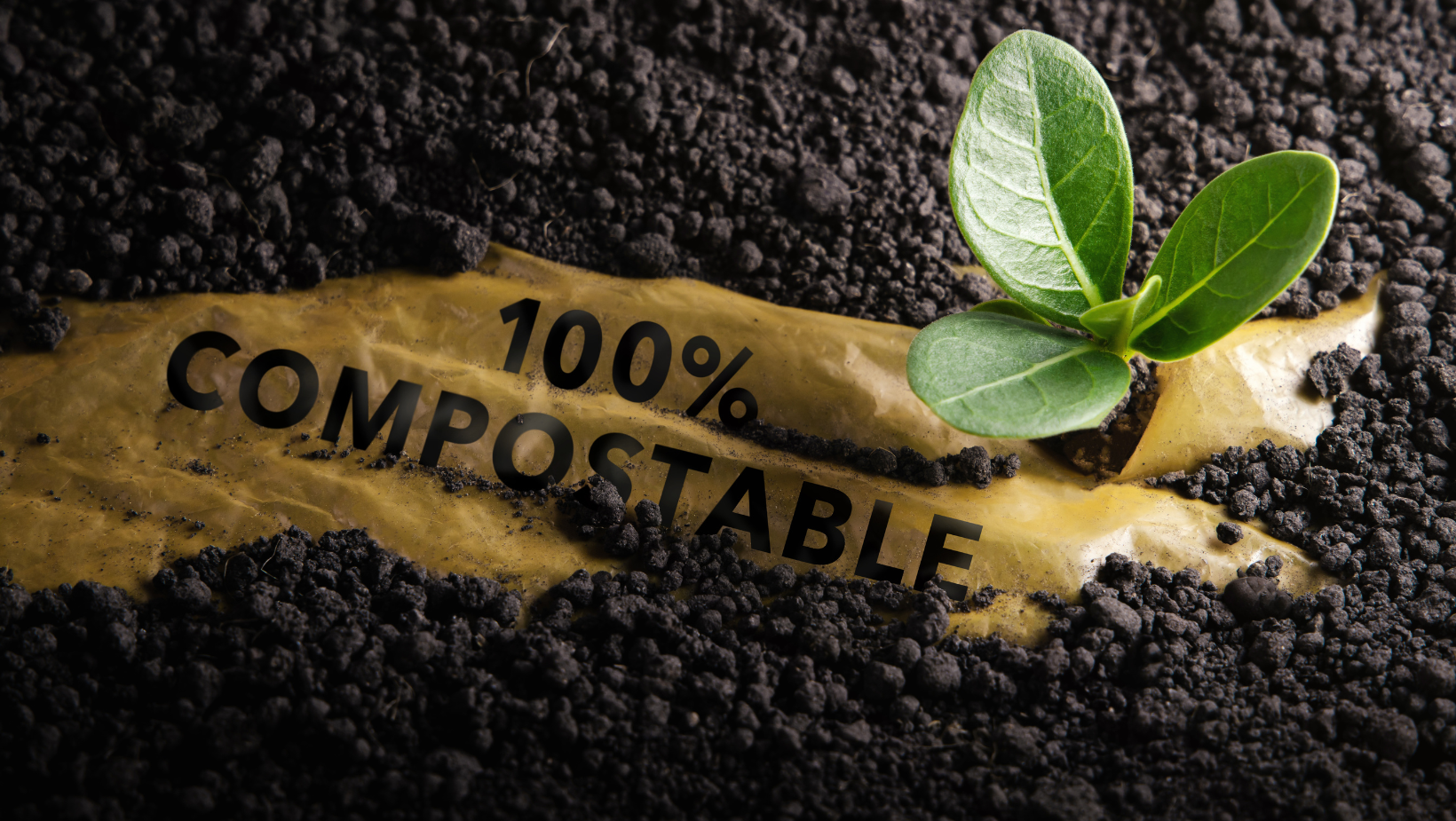
Compostable packaging is designed with a different goal in mind. Instead of becoming long-term waste, it's made from renewable materials that can return valuable nutrients to the soil through proper commercial composting. It is important to note that commercial composting is not available in every community, and facilities that accept food scraps don't always accept compostable packaging. Confirm what your local facility accepts before switching.This approach is becoming increasingly important as businesses look for practical ways to reduce their environmental footprint.
According to the U.S. Environmental Protection Agency (EPA), containers and packaging account for 82.2 million tons of municipal solid waste each year - that’s more than 28% of all waste generated in the United States. Choosing more sustainable packaging can play an important role in reducing this impact.
1. It All Starts with Renewable Materials
Every compostable product’s life begins long before it reaches a consumer’s hands. Rather than relying on petroleum-based plastics, many compostable foodservice products are made from renewable or rapidly replenishable resources, including:
Sugarcane bagasse (a byproduct of sugar production)
Bamboo fiber
Molded plant fiber
PLA/Polylactic Acid (a plant-based plastic derived from corn or other renewable starches)
Using agricultural byproducts gives new life to materials that might otherwise be discarded. These fibers are transformed into durable bowls, plates, clamshell containers, and trays that are capable of standing up to everyday foodservice demands.
By choosing products made from renewable materials, businesses help reduce dependence on virgin petroleum-based plastics while also supporting more resource-efficient manufacturing.
2. Engineered for Real-World Performance
One of the biggest misconceptions about compostable packaging is that it's less durable than traditional alternatives and doesn’t hold up under normal use. Today's compostable products are actually engineered to perform in busy commercial kitchens and fast-paced foodservice environments.
Depending on the product, compostable packaging can offer:
Excellent heat resistance for hot foods and beverages
Leak and grease-resistant construction
Durable performance for takeout and delivery
Microwave-safe options
Attractive presentation for dine-in and grab-and-go service
There are compostable packaging solutions designed to meet the needs of virtually every menu. The goal isn't simply to replace plastic - it's to provide businesses with sustainable alternatives that don't compromise on quality or functionality while also keeping customers happy.
3. The End of the Journey Is Just as Important
Unlike conventional plastic packaging, this story doesn't end after a meal is finished. When certified compostable products are properly collected and sent to a commercial composting facility, they can break down into nutrient-rich organic matter that helps support healthy soils and a greener future.
Proper disposal plays a critical role in realizing the environmental benefits of compostable packaging. Businesses can further their sustainability efforts by educating employees and customers about local composting programs and waste-sorting practices.
4. Small Choices Create a Bigger Impact
No single product can solve the world's waste challenges. However, thousands of thoughtful purchasing decisions each day can make a meaningful difference over time.
Switching to compostable foodservice products can help businesses:
Reduce reliance on petroleum-based plastics
Support corporate sustainability initiatives
Prepare for evolving regulations around single-use plastics
Meet growing customer expectations for environmentally responsible businesses
Demonstrate a commitment to reducing waste
Consumers are paying more attention to sustainability than ever before, and packaging is often one of the first things they notice when interacting with a business. Choosing compostable products allows organizations to align operational decisions with their environmental values.
Additionally, reducing landfill waste has climate benefits. According to the EPA, landfills are the third-largest source of human-related methane emissions in the United States, making composting and organic waste diversion important tools for reducing greenhouse gas emissions.
5. How a Compostable Product Is Made
Now that we understand the importance of using compostable packaging, let’s explore how they are made. Before compostable containers reach your hands, it goes through a carefully designed manufacturing process that transforms these renewable materials into durable foodservice products. While the exact process varies depending on the material - the overall journey is similar.
Harvest Renewable Materials
The process begins with renewable resources rather than petroleum-based plastics. Common materials include: sugarcane bagasse, bamboo, PLA or molded paper.
Many of these materials are agricultural byproducts that would otherwise go unused, giving them a valuable second life.
Clean, Process, and Form the Fiber
The raw material is cleaned and then broken down into a pulp or fiber mixture. Water is added to create a slurry that can be molded into a variety of products.
Depending on the product being manufactured, additional natural binders or coatings may be incorporated to improve strength, grease resistance, or moisture protection.
Mold Into Finished Products
Quality Testing & Certification
Before products reach customers, manufacturers test them for durability, food safety, and performance.
Many compostable products are also independently certified to verify they meet recognized compostability standards, such as those established by the Biodegradable Products Institute (BPI). Certification helps businesses identify products designed to break down in commercial composting facilities under the appropriate conditions.
Delivered to Businesses and Eventually Back to the Earth
Products are shipped and used by restaurants, cafés, caterers, schools, and other foodservice operators.
When properly disposed of, certified compostable products can break down into nutrient-rich compost that helps enrich soil and supports a more circular approach to resource use.
This full lifecycle, from renewable materials to compost, is what makes compostable packaging fundamentally different from traditional plastics. Instead of being designed for simple disposal, these products are designed with their next chapter in mind.
The Journey Doesn't End Here
Every compostable product tells a different story. It begins with renewable resources, supports businesses through reliable everyday performance, and has the potential to return valuable nutrients to the earth.
While no packaging solution is perfect, choosing certified compostable products is one meaningful step toward reducing waste and supporting a more sustainable future.
Whether you're operating a busy restaurant, planning a catered event, or stocking your own household*, the packaging decisions you make today can have an impact long after the product is no longer being used.
* Most of our products are designed for commercial composting facilities, not backyard compost piles. For home compostable products, see this collection.
Sources
1- U.S. Environmental Protection Agency (EPA): Containers and Packaging Facts & Figures, https://www.epa.gov/facts-and-figures-about-materials-waste-and-recycling/containers-and-packaging-product-specific
2- U.S. Environmental Protection Agency (EPA): Sustainable Management of Food: Composting, https://www.epa.gov/sustainable-management-food/composting
3- Biodegradable Products Institute (BPI): Certification standards and compostable product education, https://bpiworld.org